We talked about our mother, who had died nine years earlier while I was overseas. She had secretly mailed me photographs and newspaper clippings, always writing that she was proud, but she never found the courage to confront Dad while they still lived together.
Tess told me she’d inherited a cedar box of Mom’s papers and had never opened its bottom compartment. “I thought there was nothing left to find,” she said. I watched her blink against tears and remembered teaching her to tie her shoelaces on the staircase of a house that hadn’t felt like home in decades.
That evening Victor called my hotel. His voice had changed from disgust to practiced warmth; he said the White House recognition had been an honor for the whole Prescott family and proposed that I appear at his foundation’s veterans-employment gala the next night.
“I’m not your publicity campaign,” I told him. “And I can’t endorse a private company or imply the Army does.”
“Don’t be dramatic,” he replied. “You got your moment. Now let the family benefit.”
An hour later Tess forwarded a draft press packet from the foundation’s public-relations office. Across the top was a photograph of me beside General Mercer, taken at the reception, with a headline promising a “Prescott family partnership with America’s armed forces.”
The last attachment was worse: a speech already written in my name, announcing that I had agreed to serve as the foundation’s military adviser. Dad hadn’t merely decided to forgive me in public. He had decided to speak for me again.
I forwarded the packet to my Army legal adviser and to the foundation’s independent trustees, making it clear that I hadn’t approved the photograph for an endorsement, the advertised partnership, or the speech. The foundation’s counsel promptly instructed its staff to suspend the publicity, but Victor insisted the gala would proceed and that the misunderstanding could be handled after everyone had donated.
I attended in a plain navy dress, as a private citizen, with Tess beside me. We had agreed that if my father tried to introduce me as part of his campaign, I would correct him once and leave; I refused to turn a room full of veterans and their families into another argument over his money.
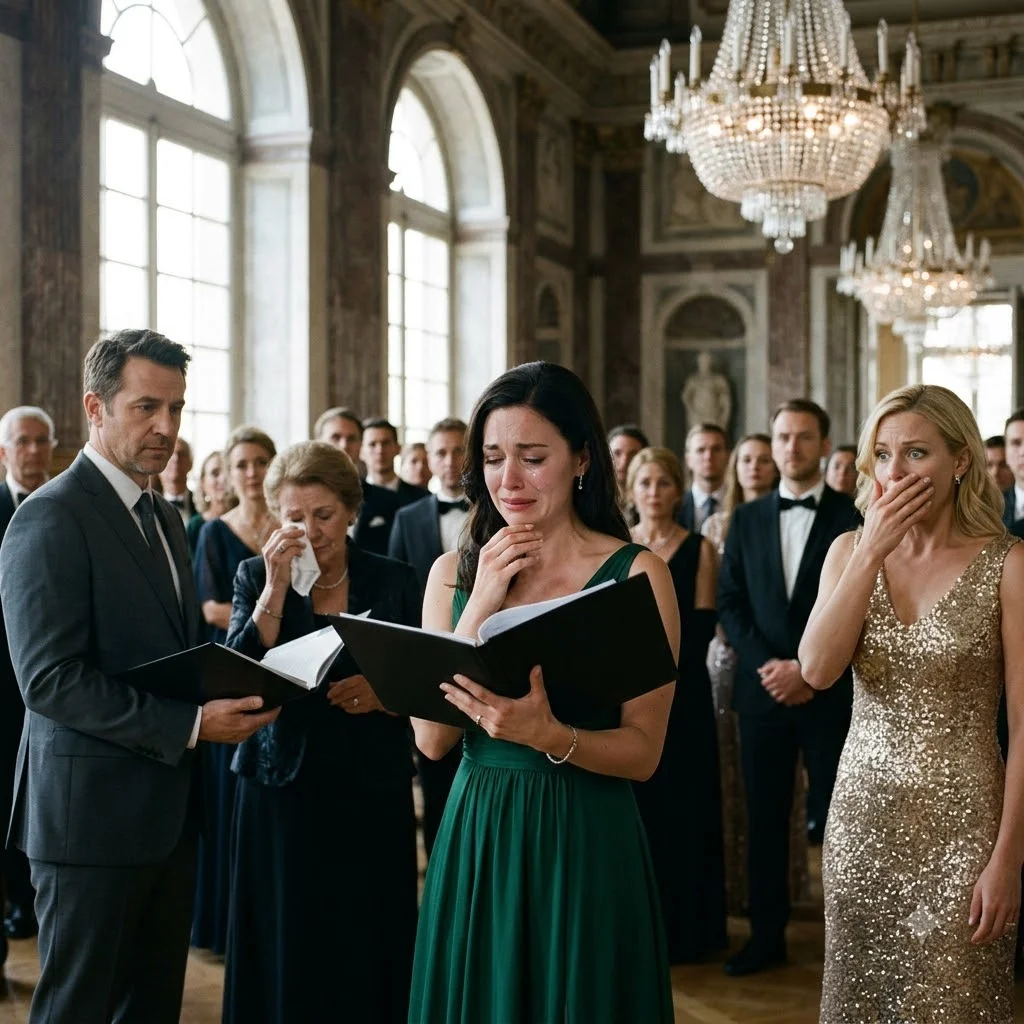
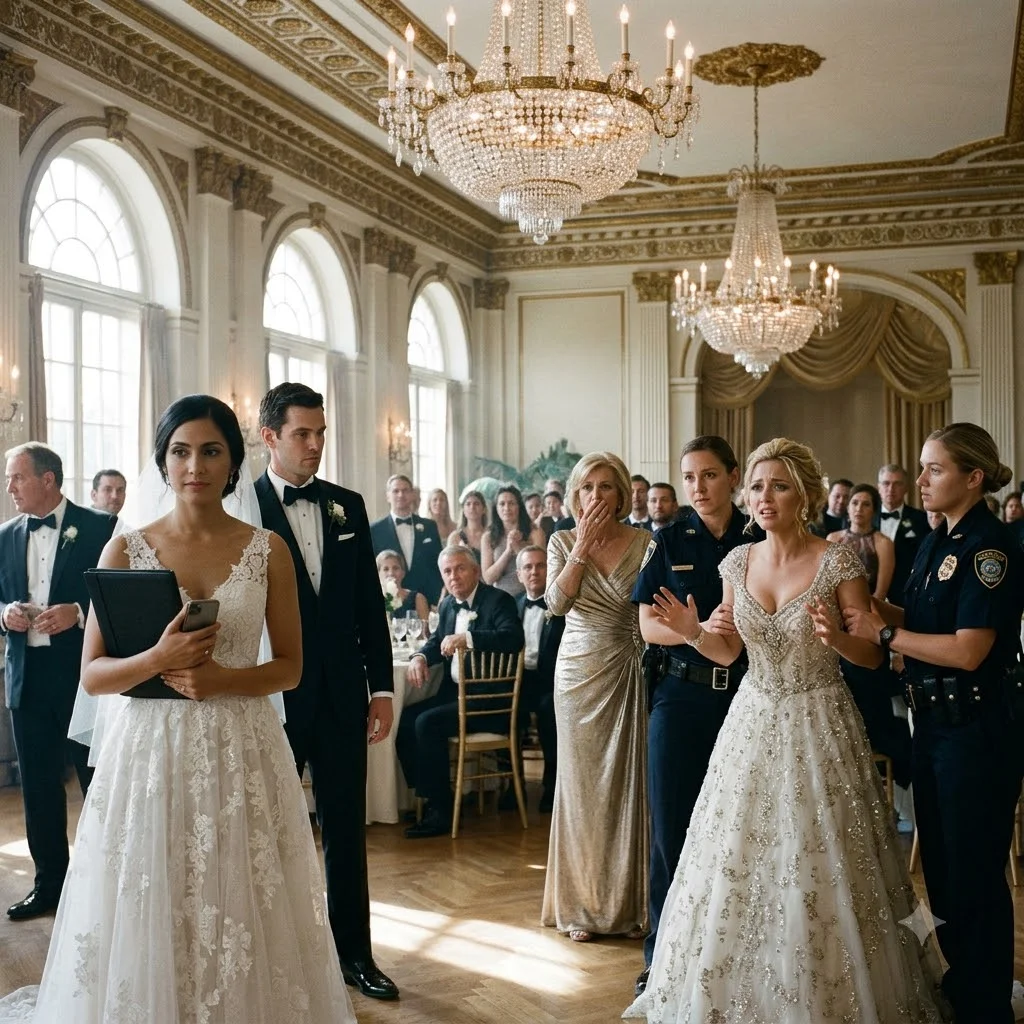
The ballroom was decorated with silver banners and huge photographs of uniformed men and women. At the head table, a printed program still described me as an adviser, despite the written correction, and several donors told me they were impressed that the Army was officially supporting the project.
Then Victor walked onto the stage, smiling beneath the chandeliers. “Twenty-six years ago, my daughter chose service,” he announced. “Tonight she’s come home to carry on the Prescott tradition of giving back.”
He held out the microphone. I went up because everyone was watching, but before I spoke I thought of the eighteen-year-old girl on the front steps, waiting for him to say he loved her more than he loved his plans.
“I am proud of my Army career,” I said. “But I have never advised this foundation, and the Army has not endorsed it. I asked that these claims be corrected before tonight.” The room quieted, and Victor’s face stiffened.
“You’re embarrassing me,” he muttered, forgetting the microphone was still live.
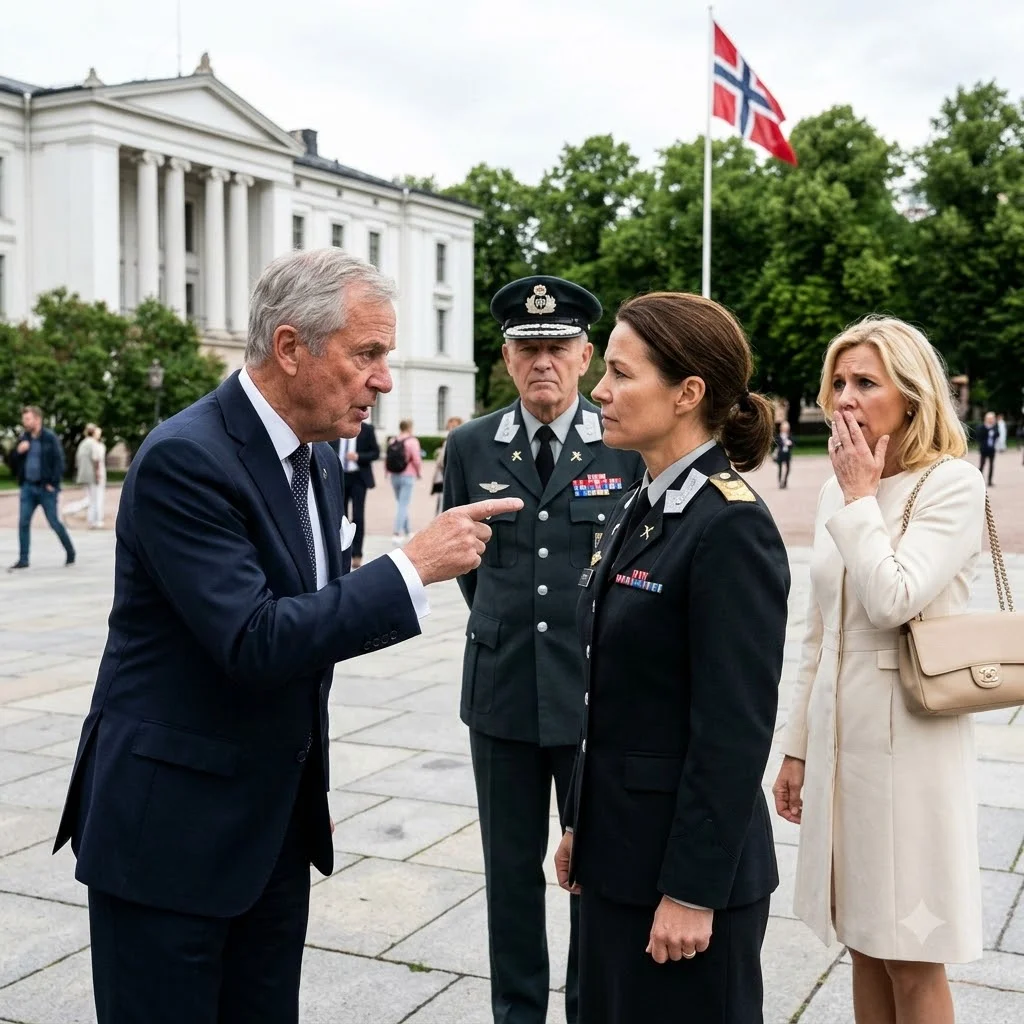
“Twenty-six years ago, you told me I was no longer your daughter because I chose to serve,” I replied. “Today you want to use that service to raise money. You don’t get to erase the first part just because the second part looks good in photographs.”
Tess stood up at the head table. “And you told me Anna was a failure,” she said, her voice shaking. “You made me believe my sister didn’t want me.” She left with me while the trustees and foundation counsel began telling donors the materials were inaccurate.
The foundation issued a formal correction the following morning and withdrew the military-adviser claim. Two pledged contributions that had depended on the supposed official partnership were canceled; the organization continued its legitimate veterans programs without attaching my name, and Victor stepped down from its public campaign after the trustees demanded new approval procedures.
He wrote me several weeks later. His letter admitted he’d lied to Tess, intercepted my cards, and treated my career as shameful until it became useful to him; he asked for a private meeting, but I wasn’t ready, and I told him so.
Tess visited my home that spring carrying Mom’s cedar box. Under a false cardboard bottom she had found twelve letters Mom had saved, along with a photograph of me at my commissioning and a note in Mom’s familiar slanted handwriting: “Whatever they say, you have always belonged to me.”